Kids Gymnastics Classes: What to Expect at the First Class
You’ve just enrolled your child in a kids gymnastics class or you’re considering doing so. What should you expect when you walk through the doors for their first class? All gymnastics programs have a unique way of training young gymnasts. Here’s what we’ll cover to give you an idea of how you should prepare and what you can expect:
1. Preparing for Your First Gymnastics Class
2. What Do First Gymnastics Classes Look Like?
3. Three Ways a Parent Can Help Their Gymnast
If you’re considering gymnastics for kids and how to find the best gym, these last two topics are for you:
4. Choosing the Best Gym for Your Kids
5. At What Age Should Kids Start Gymnastics Classes
You don’t need to wait until you walk through the door to discover what that first class will be like. Most of what you’ll need to know is all right here. So let’s get started!
Preparing for Your First Kids Gymnastics Class
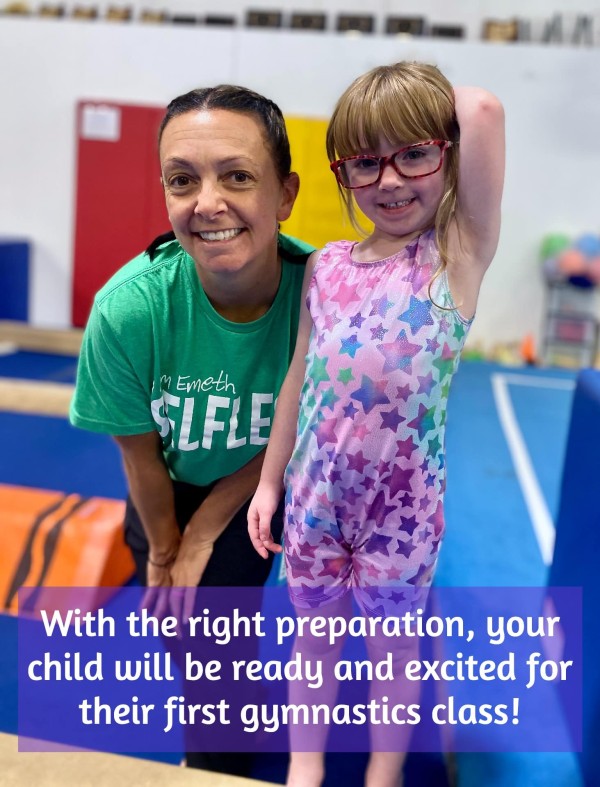
Here are seven ways to prepare your child for their first class so they have the best possible experience.
1. What to Wear
- Girls should wear a gymnastics leotard. Gymnastics shorts or leggings (without feet) are acceptable as well. Other form-fitted clothing is also appropriate. Loose clothing such as baggy t-shirts and shorts are not recommended. They can be a safety hazard and an embarrassment when upside down!
- Boys should also wear form-fitted shirts. T-shirts that will remain tucked in are also fine.
2. Hair and Jewelry
Tie hair back and remove all jewelry. No one wants to step on a sharp earring when running down the vault runway!
3. Eat Before Class
A full course meal is not needed! A light healthy meal of a little protein with vegetables or fruit is best.
4. Arrive Early
This is especially important if you did not attend a gym tour beforehand. Allow your son or daughter to observe kids gymnastics classes in progress. It will help them feel more comfortable when their class begins.
5. Water Bottle
This is very important! Hydration is critical to health and performance. Bring a gym bag and keep it tucked inside. Write their name on it. They can also keep their clothes, socks, extra hair ties and any other special items in the bag.
6. Talk Realistic Expectations
Important topics to discuss:
- Spotting: Gymnastics requires spotting. At times the coach will place their hands on shoulders, back, tummy, legs and arms. This is for safety and training purposes. Discuss appropriate touching with your child.
- Listening: The best gymnasts are also the best listeners. Paying attention to the coach’s instructions is critical to their success.
- Patience and Hard Work: Gymnastics is a hard sport. It involves every muscle, critical thinking, balance, spatial awareness, character development and more. You don’t develop those things overnight. Don’t expect to be doing what’s shown on TV after a few classes! Progress will depend on how hard they work both inside and outside the gym.
- New Friends and Fun! It takes many years to become an accomplished gymnast. Most kids gymnastics classes cater to girls and boys who want to have fun while learning a new sport. Meeting new friends and getting exercise are also reasons for enrolling.
7. Take a Gym Tour and Meet the Coach
If at all possible, make an appointment for you and your child to take a tour of the gymnastics facility. If free trials are offered, schedule one. Meet your child’s coach before their first class. This will go a long way in calming any anxiety they may have. Don’t hesitate to ask all the questions you have about that particular club’s way of doing things. A tour and free trial is the best way to prepare for the big day when it arrives.
Try a Free Class and Take a Tour
Schedule a Free ClassWhat Do First Kids Gymnastics Classes Look Like?
Each gymnastics club will have their own class structure. They will vary somewhat depending on the age and the class that your child is enrolled in. Beginning classes encourage the development of good listening skills, following directions and self-discipline. Growing strong and flexible will be a big part of each class. Introduction to equipment and its proper use is always stressed.
Greeting and Warmup
Most gymnastics classes will begin with a warm greeting from the coach. Coaches typically take genuine interest in each child’s ‘news’ reports. After the greeting, a few minutes of warmup will follow. These range from fun upbeat music and games for the little ones to a full-body stretch for higher levels. If perchance the class does not include a warmup, arrive early and have your child stretch as they wait.
On to Events!
There are four events in girls gymnastics and six in boys. All events are not always included in each class. Many gyms opt to focus on only two or three depending on the length of the class. All events, however, are covered on a rotating basis.
Preschool classes will be the exception. Their focus is more often on developing gross and fine motor skills. Encouraging good listening habits and following directions are important at this age. Little ones get their first introduction to gymnastics on preschool equipment.
Instructions First
Before kids jump up on equipment they’ll receive instructions, including any safety measures. Gymnastics involves lots of precision. Learning to perform each skill correctly is essential. Building correct technique, form and strength starts with good listening.
Stations and Rotations
Every event should have several stations set up. One or two kids at most will be at the station. A demonstration by the coach or another gymnast will be first. After several minutes, everyone moves to the next one. The coach will either stay at the most difficult station or help where needed. After the designated amount of time at that event, students will rotate to the next one.
Finishing
The coach will gather the kids at the end of class and hand out any take home papers. If time permits, he or she will talk to parents before their next class begins.
3 Ways a Parent Can Help Their Gymnast
You’ve selected a gym and your child is now enrolled in a kids gymnastics program. Yay! You’ve done your part. Now it’s time to let the gym do its part. Hopefully, you met the coach before you signed up and felt he or she was a good fit. So sit back, relax, and become a watcher and learner.
1. Encourage your child to listen, follow directions, work hard and have fun. But don’t try to coach them.
That’s what you’re paying the gym to do. Your child can only listen to one authority at a time. While he or she is out on the floor, the coach is the authority. Any distractions from a parent will only confuse or distract them. Their safety or the safety of others may be in jeopardy. Most coaches are willing to discuss any questions you may have at a convenient time.
2. Communicate with the coach about your child’s progress and how you can help at home.
When both the parent and coach are on the same page, the child receives a double benefit. Trust in the coach is essential to your son or daughter’s success. If it gets to the point where you can no longer do that, switch to another coach or consider looking for another kids gymnastics program.
3. Keep in mind that kids gymnastics is only a part of your child’s development.
Build their self-confidence. Point out specific things they did well that day. Remind them of the progress they’re making. Focus on the achievements along the way, not the outcome. It will keep them interested and inspire them to keep learning and growing.
Choosing the Best Gym for Your Kids
Do your research before choosing a gymnastics club for your child. The impact it will leave on them, especially if they stay for any length of time, will last a lifetime. But how do you decide what is the best club for your child?
The ideal scenario is to schedule a gym tour. If they don’t offer them, then find one that does! It’s your responsibility to know who is caring for your child for those minutes or hours before you sign up. A tour will give you the chance to experience the environment and ask questions.
If you aren’t sure what to look for, inquire about the six areas below. Doing so will clear away some of the fog you may have and increase your chances of knowing you’ve found the right gym.

1. Gym Facility
When searching for a great gymnastics facility, consider these three areas:
- Safety: Look for a clean, well-maintained building both inside and out. Does the equipment appear safe while kids are using it? Is the traffic flow during and between rotations orderly? Do coaches appear to have classes under control with plenty of stations and low wait times? Are preschoolers separated from higher level classes and using the correct sized equipment?
- Size: Does the gym comfortably accommodate the number of students present? Overcrowding creates safety hazards and impairs instruction quality. Each piece of equipment needs a minimal area of clearance around it.
- Facility Hours: Be sure classes are offered at a time that works for your family. More than one option is ideal in case you need to schedule a makeup class.
2. Coach Philosophy
A coach’s impact on a child is powerful! Their influence can cause a child to flourish – not only in their sport, but also throughout life. Unfortunately, their influence could also cause your child to be negatively affected.
Coaches will impact the emotional, cognitive and physical development of your kids for the rest of their lives. Choose a club that places your child’s personal growth and development over winning. This is the best way for an individual or team to reach their highest athletic potential.
As you begin your search, keep this in mind. It’s not how many wins they had that they’ll remember, how long the drive was to practice or how much you paid. It’s how the coach treated them. Find a Caring Coach by Asking These 6 Questions is a great article to guide you through that process.
3. Staff Credentials
Kids gymnastics is a safe, challenging and fun sport. Few sports develop full body strength, flexibility, balance and so much more. Those benefits, however, are lost in the hands of untrained instructors. All instructors should be carefully selected and in ongoing training. Don’t be afraid to ask how they choose instructors and what kind of training they receive. You can learn a lot by visiting gyms and watching how instructors interact with students. Talking to other parents will provide helpful insight as well.
4. Gym Location
It’s no surprise that “gymnastics near me” ranks high on search engines. A facility might have world champions and raving reviews about their children’s programs. But if it’s two hours away, it’s not workable for most people. You might not find the perfect gym, but you will most likely find a good one. Keep searching and talk to friends.
5. Equipment
Choose a facility furnished with Olympic gymnastics equipment that is well-maintained. Preschool areas should be filled with children’s gymnastics equipment. There’s no lack of safe, approved preschool equipment available. So don’t be shy about asking.
6. Membership, Tuition Fees, Refunds
- Membership: Most gymnastics clubs will charge an annual membership fee. Members will receive discounts on special events. Many times these discounts include all family members.
- Tuition fees: Fees will vary from gym to gym. But don’t run out and find the cheapest kids gymnastics program in town! Go through the above-mentioned areas first. “You get what you pay for” is often the case. A great gym places a high value on building quality relationships with you and your children. It is organized, has lesson plans and keeps class sizes limited. The facility should be clean and well-maintained. That in itself is often a sign about how much they value their customers. Consider the impact all these things will have on your child – not only the tuition cost.
- Refunds: Be sure to review their refund policy. Doing your research ahead of time and taking a free trial will reduce the likelihood of needing a refund.
Try a Free Class and Take a Tour
Schedule a Free ClassAt What Age Should Kids Start Gymnastics Classes?
There is no definite answer to this question. Plenty of information on this topic is available. In the end, after you do some research, you will make the final decision. Research combined with your own intuition will provide the best answer.
Baby Classes
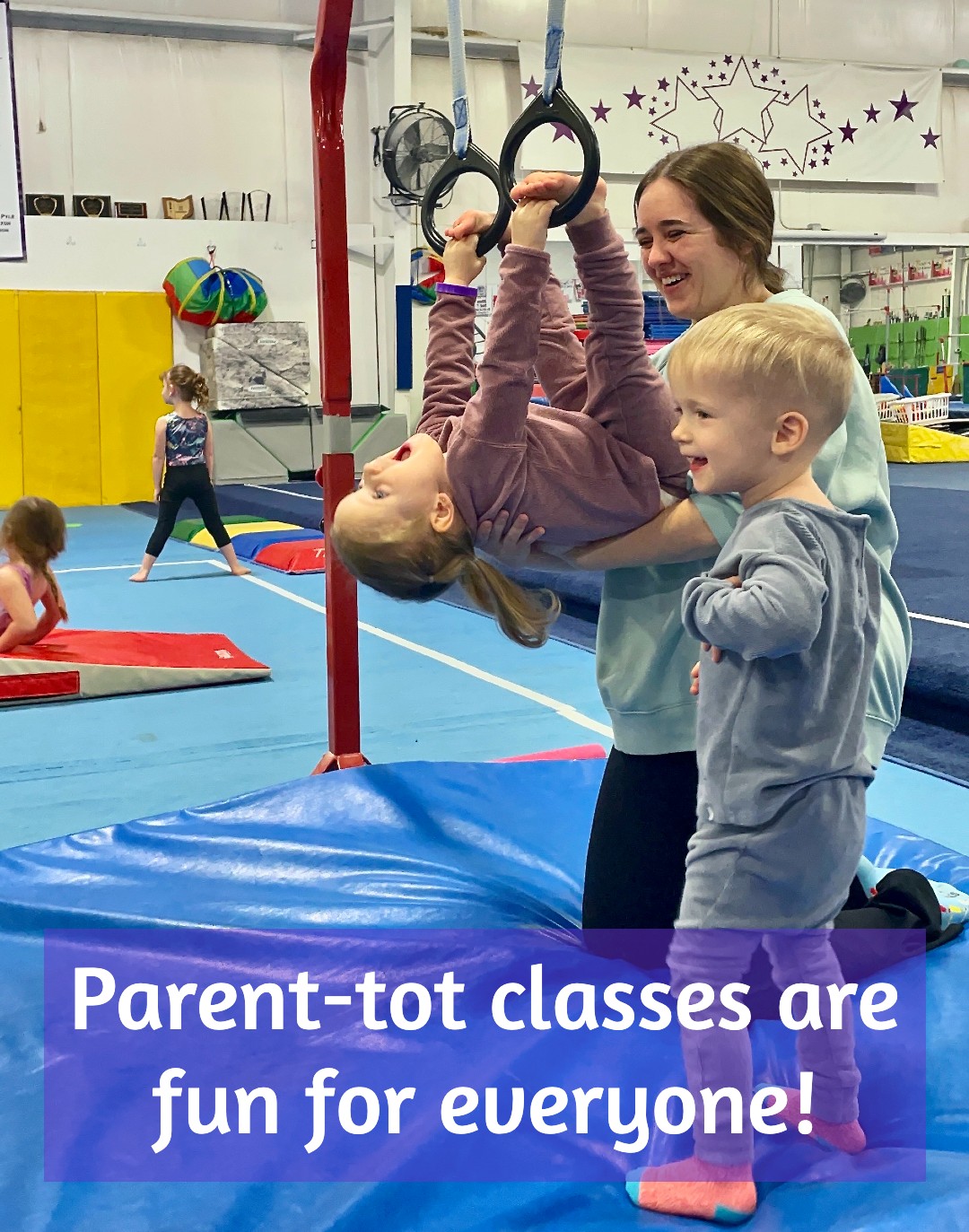
Many gyms are now offering baby classes. These classes provide a jump on developmental milestones. Gross motor skill activities progress toward achieving more challenging cognitive milestones. Babies learn directions like up and down, practice balancing, rolling and other movements. These are parent-child classes and generally for infants six months old to pre-walkers. They help prepare babies for toddler classes.
Toddlers and Preschoolers
Many experts suggest starting kids gymnastics between the ages of two and five. Toddler gymnastics classes are open to walkers and begin with a parent. When they turn three, most tots graduate to classes without Mom or Dad.
Between three and four, kids should have adequate fine motor skills and balance. They should also be able to listen and follow simple directions. They are now ready to begin basic skills training.
Preschoolers are eager to try new things and are generally less fearful of doing so. Be sure the gym is using the correct size of equipment. This is not only safer, but will also reduce anxiety. Preschoolers are naturally flexible. Classes at this age will continue to build upon that.
Elementary Age and Beyond
If you’re certain your child is going to be a gymnastics star, then enrolling them early is the best choice. But the truth is, most kids and their parents aren’t looking for stardom. They want a sport that will produce physical strength, mental toughness and discipline. For that reason, gymnastics is an ideal choice for any age. Most gyms do offer competitive teams. But the bulk of all gymnastics programs cater to progressional classes for kids of all ages.
Kids gymnastics classes are fun and full of new experiences! But they should be more than that. It’s hard to find fun activities that will also challenge kids to grow both inside and out. A good gymnastics program understands that and creates an environment for that to happen. The best programs take time to develop written curriculums to achieve that goal.
At EmethGym, we use caring coaches, character training, and focus on individual progress. Our coaches receive regular safety and gymnastics training. They also focus on applying our unique character training program during each class. As a result, we’ve been producing confident, fit, young leaders since 2000. To learn more about EmethGym, click here.