
Toddler Brain Development, Problem Solving, and Gymnastics
Toddlers are naturally curious learners. But is it really possible to teach problem solving skills during those early years of toddler brain development? And how does gymnastics fit into all of this? Let’s find out!
We’ll start with problem solving.
Can you imagine trying to get through life without problem-solving skills? Yikes! Yet our society has become so dependent on the internet for entertainment and answers that many parents are wondering how this is affecting the brain development in early childhood. Consider this fact regarding brain development stages:
80% of your child’s adult brain development is completed by the time he is 3 years old!
And another 10% is completed before he reaches 5.
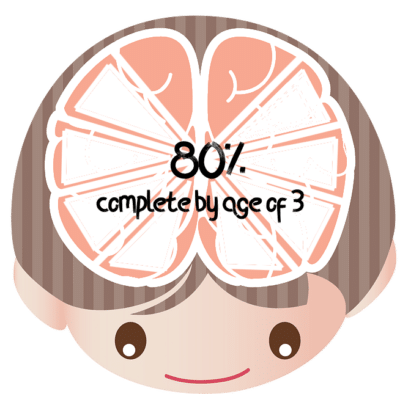
Toddler Brain Development in the First Three Years
Did you know?
During your child’s first three years, the brain forms an incredible one million neural connections per second!
These connections between brain cells are what power the brain to work. The more new experiences your child encounters during the first three years, the more connections are formed. Too much screen time greatly reduces the formation of these connections. The negative effects of this are life long.
7 Negative Effects of Screen Time on Toddler Brain Development
- Delayed language development: Face-to-face interaction is a crucial part of a toddler’s ability to develop verbal skills and to learn to communicate effectively.
- Short attention span: Spending a lot of time on screens can make it hard for toddlers to focus for long periods. Rapidly changing images leave no room for focused concentration.
- Reduced opportunities for critical thinking: Too much screen time prevents toddlers from learning and exploring, which is counter intuitive to their natural curiosity. Curiosity is what often the prompt for problem solving.
- Limits imagination and creativity: Problem solving involves a great deal of creative thinking. Imagining what could be, is the first step toward creating new inventions that solve people’s problems. Then comes figuring out how to bring it into existence follows. Too much screen time interferes with this important aspect of toddler brain development.
- Poor sleep: Looking at screens too much, especially before bedtime, overstimulates brain activity, making it difficult to fall asleep. Every parent has experienced the mood changes of toddlers who haven’t had enough sleep!
- Weight gain: Too much screen time leads to less exercise time, making toddlers more likely to be overweight. This leads to a multitude of health issues that can plague them for the rest of their lives.
- Lack of social skills: Too much screen time can make it harder for toddlers to learn how to play and interact with others.
Many other negative effects of too much screen time could be added to this list regarding toddler brain development. All of the above are important if we want our children to become excellent problem solvers.
Limit toddlers’ screen time to no more than one hour per day. Allow them the freedom to explore their surroundings. Through exploration they encounter what seem like trivial problems to us, but are realistic problems to them since they lack the motor skills and brain connections to solve them. Through the solving process, brain growth occurs, and those connections become a permanent part of their brain’s architecture.
Start teaching your tot the process of problem solving. If you do, they’ll become the kind of person everyone wants in their back pocket when they encounter a problem. Phones may be convenient and are great for getting answers when you didn’t leave it at home and have a good connection. But a real-life human being on site with excellent problem-solving skills is far better!
Here are a few examples of how this looks in real life. Learn to take advantage of these common toddler-age problems when they occur, and your little one will likely become the leader of the pack!
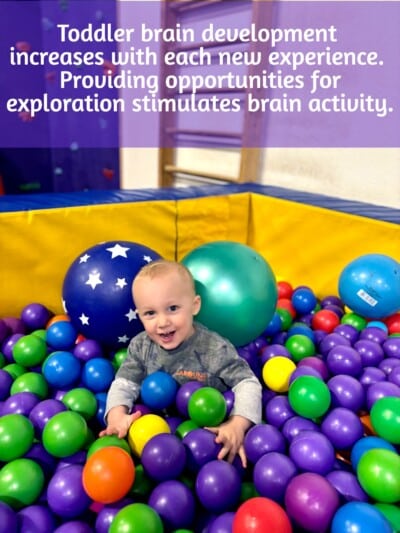
How to Teach Your Toddler to Be a Problem Solver
1. Problem: Very frustrated that the square block isn’t going into the shape container.
- Ask him what the problem is. This encourages language development and builds communication skills.
- “Let’s look for what’s causing the problem. Do you know what shape this is? Can you point to one that looks just like this one?” Each time he points to one, say the name of that shape and compare it to the square and let him try to put it through.
- When he finds the right one, be excited for him! “YAY! You did it! You solved the problem by….”
- Describe the steps he just went through. Then move onto another shape.
2. Problem: Shoes don’t fit right because they’re on the wrong feet.
- Watch – but don’t immediately intervene. “Are you having a problem with your shoes? Do they feel uncomfortable?”
- Show her what correct looks like. Stand next to her. “Look at my feet. Do you see how the front of my shoes are pointing straight ahead?”
- Ask her to copy you. “Can you make the front of your shoes point straight ahead like mine?” Give her time to figure it out. If she can’t, give her some simple instructions to follow so she performs the task herself.
- Practice. Take a minute afterward and line up three pairs of shoes with one pair set up incorrectly. Point to each pair and ask her if it is in the correct position.
3. Problem: One-year-old sister keeps wrecking the sand castle of two-year-old brother who yells at her and cries.
- Ask him to explain the problem and his feelings. “Can you tell me what the problem is? Does that make you feel mad?” Helping him identify his feelings and communicate them is a huge part of solving relational problems!
- Point out the facts. “Suzie is one year old. She is not trying to knock your castle down to be mean. She just wants to play and have fun. She doesn’t know she is making you mad by ruining your castle.”
- Ask him for an idea that might solve the problem. Sometimes they come up with amazing solutions on their own!
- Offer your thoughts and let him choose. Problem solving involves trying out solutions. Let him choose and see if it works. If not, he can try a different one. “I have three ideas. Which one would you like to try?
- Turn on the sprinkler so you both can play together.
- Give her a bowl of water with bubbles and bath toys and let her play on the porch.
- Give her a shovel and pail of her own so she can play next to you.
5 Ways Gymnastics Stimulates Toddler Brain Development
1. Improves spatial awareness: During gymnastics classes, toddlers can bounce down long rod floors and tumble tracks and swing on rings and ropes. This lets them experience how their bodies feel in space. They learn how to control body parts in flight and how to land safely.
2. Increases balance and coordination: Good balance and coordination are essential to get though life safely! Walking forwards and backwards on the beam, tumbling, and circling on bars require the body and brain to work together until they can be done with ease.
3. Enhances motor skills: A gymnastics facility is loaded with equipment that exposes tots to ever-changing opportunities that strengthen their minds and bodies. Both large and small muscles are continually challenged as they work toward mastering new skills.
4. Improves focus and concentration: Toddler gymnastics requires them to pay attention to the instructors and how they perform on equipment. This helps them develop better focus and concentration skills. Toddlers who are active and develop these mental skills early are much more likely to excel in school when they reach that age.
5. Develops social skills: Learning to interact with other children and adults is a significant part of toddler brain development. When toddlers participate in gymnastics, they learn how to properly relate with other kids and adults. Their communication skills improve and they also make new friends!
Gymnastics Develops Problem-Solving Skills
As we’ve discussed, problem-solving skills are essential if we want our children to be fully equipped to solve the problems they will face in life. It begins with teaching them how to think in order to find answers to problems. Whether in school, sports, or with friends, problems happen – and their phone won’t always be there to give them an answer!
Toddler gymnastics classes expose your child to unique and fun experiences that naturally incorporates problem solving. What problems do little ones encounter in class? They will have to figure out things like:
“How do I…
- navigate over, under, and through these blocks and tunnels?”
- stay balanced on a trampoline?”
- climb up and over this ladder?”
- get out of this ball pit (or foam pit)?”
- hold onto a rope and swing?”
- get my hands and feet in the right place on this rock wall?”
There’s so much that can stimulate toddler brain development during a gymnastics class. For example, the instructor may say something like:
“Walk sideways down the beam with your arms out like airplane wings. Try to step over the elephant onto the yellow placemats without knocking the them off.”
This is a lot for the toddler mind to grasp! Mom or the instructor is there to guide them through the process. But they also give the tot time to think for themselves and grow their own problem-solving skills.
Parents can encourage their toddler to solve problems by asking questions rather than immediately giving them answers or doing it for them. “Can you show me what airplane arms look like?” “You’re walking forward. Can you walk sideways now?”
The best part about gymnastics classes is that toddlers don’t consider these “problems” as problems! They’re having too much fun! Isn’t that the best way to view problems in life?
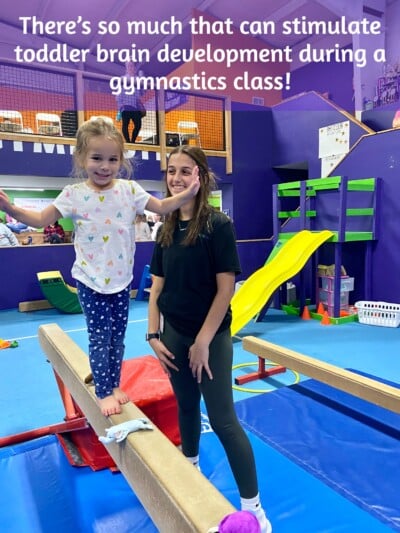
Toddlers are natural explorers. They are exposed to hundreds of little and big mental and physical stimuli each day. Generally speaking, they just keep working at things until they figure out how to solve the problem. Yes – they need help and encouragement just like we do. But for them, learning is fun. Learning is what every new day is all about.
Gymnastics is a wonderful way to keep that mindset alive. And it doesn’t need to end at toddlerhood. It can continue to be a source of brain development along with physical development for many years to come.
Find a local gymnastics club near you and try a toddler class. Many gyms offer free trials so you can test out the atmosphere in each one to see which best fits your desires.
“We love our coach who is always patient and positive with my girl! He does a great job working with our group of toddlers and makes sure to give each child individual attention as well. She is developing new skills/strength each week and her confidence has grown tremendously!” ~ Angela A.
Conclusion
The toddler season of life is so short. Yet, during those few years and into the preschool years, more brain development occurs than at any other time. By the age of three, the brain has laid the foundation for future learning and development.
The number of neural connections made depends on the number of experiences the growing child is exposed to. That’s why it’s so crucial to introduce toddlers to a variety of new, stimulating environments that require both their brain and body to engage. We want them to be fully equipped to creatively solve the problems they will face.
Search for “toddler gymnastics near me” and get started today!
About EmethGym
Kids gymnastics classes are fun and full of new experiences! They target every muscle in the body so kids can reach their full fitness potential. But they should be more than that. It’s hard to find fun activities that will also challenge kids to develop the same degree of mental fitness. A good gymnastics program understands that and creates an environment for that to happen. The best programs take time to develop written curriculums to achieve that goal.
At EmethGym, we use caring coaches and character training with a focus on individual progress. Our coaches receive regular safety and gymnastics training. They also focus on applying our unique character training program during each class. As a result, we’ve been producing confident, fit, young leaders since 2000. To learn more about the Emeth Way, click here.